
Poverty and Falsehood: Here’s How Economic Hardship Fuels Misinformation in Nigeria
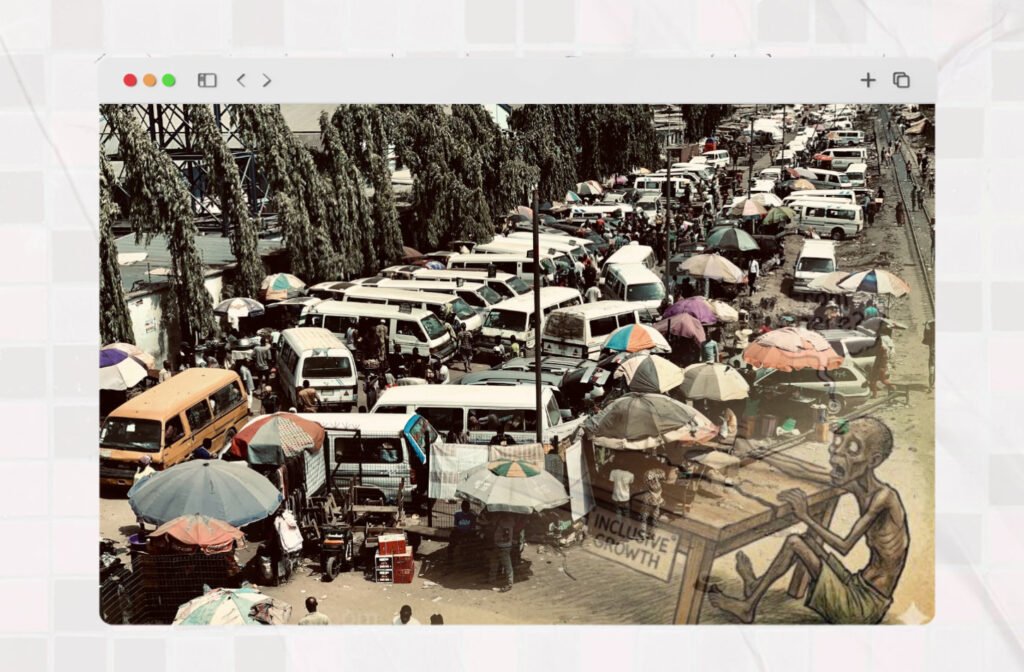
Nigeria is facing one of the most severe cost-of-living crises in decades. Soaring prices for food, fuel, transportation, healthcare, and basic commodities have put immense pressure on households across the country. According to reports, food inflation has surged massively in recent years, forcing families to spend increasingly large portions of their income on staples like rice, onions, and tomatoes. The poverty rate has climbed sharply, with millions of Nigerians struggling to meet their basic needs and more than half of the population are now estimated to live below the national poverty line. These economic realities have created a backdrop of stress and uncertainty that shapes how many Nigerians consume and share information.
How Economic Stress Creates Vulnerability
Nigeria has been experiencing sustained price increases across goods and services, pushing up the cost of living for households. According to recent Consumer Price Index, CPI, data published by the National Bureau of Statistics, NBS, headline inflation stood at 15.15 percent year-on-year in December 2025, with the CPI rising to 131.2 points, reflecting ongoing price pressures especially in food and basic commodities. The CPI report also showed that food inflation remained a significant contributor to the overall cost increases. In November 2025, the headline inflation rate eased to 14.45 percent, with the CPI at 130.5 points, though prices were still elevated compared to previous periods. These figures come after a time when inflation rose sharply to 34.80 percent in December 2024, before the consumer price index was updated. After the update, inflation gradually slowed down throughout 2025 using the new method of measurement.
When people feel insecure about their livelihoods, fear and desperation clouds their judgement. Economic distress makes individuals more likely to latch onto simple explanations or quick fixes. Unverified claims about government support, subsidies being reinstated, or sudden policy changes can spread rapidly because they offer hope or a sense of control. In Nigeria, misleading posts about new tax burdens and penalties for not having certain identification numbers have circulated widely, prompting confusion and anxiety. These narratives often fill gaps left by slow official communication, and they resonate strongly with people who feel overwhelmed by rising costs.
Contents on fuel prices, bank fees, taxes, and government reforms tend to attract the most attention and distortion. When petrol subsidies were removed, costs for fuel and transportation climbed sharply. Online, this became fertile ground for misinformation as posts spread claiming that the government had secretly increased pump prices beyond official rates, imposed new hidden fuel taxes, or caused artificial scarcity to punish citizens. These false or misunderstood content spread through edited visuals, social media captions, post or sensational headlines that capture attention faster than verified facts.
Effects of a Global Village and Weak Government Communication
Algorithms on platforms like Facebook, X, and TikTok prioritise content that triggers strong emotional responses. Posts that provoke anger, fear, or hope are more likely to be shared broadly. In a climate of economic hardship, emotionally charged misinformation gains traction because it speaks directly to people’s anxieties about daily survival. Influencers and blogs with large followings may amplify such content, not always out of malice but often due to a lack of careful fact-checking before sharing. Paid campaigns or “influence-for-hire” efforts also push unverified narratives into wider circulation, blurring the line between opinion and fact.
To compound this, there is the challenge of slow and often unclear communication from official sources in Nigeria. When government updates on policy changes or economic measures are delayed, ambiguous, or overly technical, ordinary citizens struggle to understand what is happening and how it affects them. This vacuum creates fertile ground for rumours. Public distrust compounds the problem; when past statements from authorities have been contradicted or perceived as unreliable, many Nigerians are skeptical of official corrections. As a result, attempts to debunk false claims may fall on deaf ears, allowing misinformation to persist and deepening the negative economic problems.
Impact on Society
The consequences of widespread misinformation in a context of economic distress are tangible. False information can trigger panic buying of goods, resistance to necessary reforms, or outright rejection of policies that might otherwise help alleviate hardship.
Misinformation also deepens distrust in public institutions. When people cannot distinguish between fact and falsehood, confidence in government, media, and even community leadership erodes. This has long-term effects on civic engagement and social cohesion as well, making it harder to build consensus around solutions to Nigeria’s economic challenges.
Conclusion
Economic hardship in Nigeria does more than strain household budgets, it alters how people process information, react to news, and trust authorities. In times of stress, unverified claims can spread as fast as inflation itself, shaping narratives that reflect fear more than reality. Combating misinformation in this context requires not just fact-checking but clear communication from trusted sources, improvements in digital literacy, and addressing the underlying economic anxieties that make falsehoods so attractive in the first place.