
The Iranian War and Its Impact on Africa
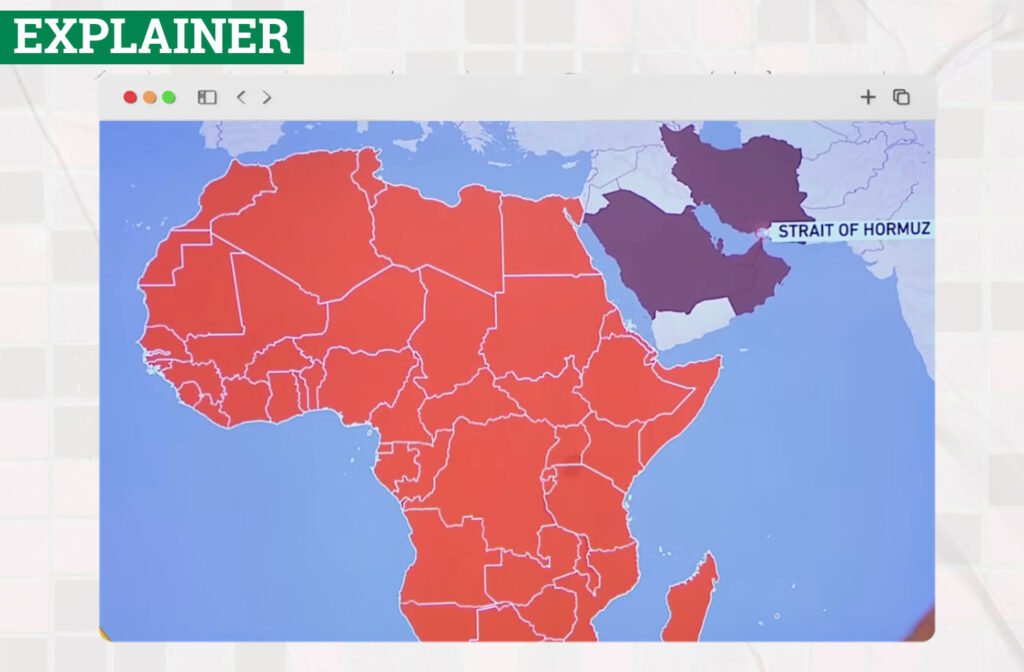
The war involving Iran and its regional rivals is centered in the Middle East, but its effects are felt far beyond the region, including across Africa. The continent is particularly vulnerable because of its reliance on global energy markets, shipping routes, and foreign trade.
Rising Fuel Prices And Inflation
One major driver is the disruption of oil shipments through the Strait of Hormuz, one of the world’s most critical oil transit routes. Around 20% of the world’s oil supply passes through this narrow waterway, which has become a focal site of negotiation as the war progresses.
Most African countries import refined petroleum products such as petrol and diesel. As global crude prices increase, the cost of importing these fuels also rises. This means governments and fuel marketers must pay more to bring fuel into their countries, leading to higher pump prices.
In late March, Brent oil prices were over $110 per barrel and are now under $100, as of April 20. This fluctuating shift has pushed retail petrol prices above 1,000 naira per litre in some places around Nigeria, illustrating how quickly international shocks translate into domestic costs.
Shipping companies have already introduced emergency surcharges due to higher fuel costs caused by the war. These additional transport expenses are passed on to consumers through higher prices for everyday goods. Many African economies are highly exposed to these shocks because they depend on imported fuel and have weaker currencies. Economists warn that rising oil prices triggered by the Iran war are increasing inflationary pressure across the continent.
Disruptions To Trade And Shipping
The conflict has also disrupted major maritime routes linking Asia, Europe, and Africa. Shipping companies are avoiding dangerous areas such as the Red Sea and the Suez Canal. Ships are now travelling around the Cape of Good Hope at the southern tip of Africa, a detour that adds thousands of kilometres to shipping journeys and can increase transit time by about 10 days or more.
This disruption has several consequences for Africa. First, longer shipping routes increase freight costs and insurance premiums, which raise the price of imported goods. Second, delays in cargo deliveries affect the supply of fuel, food, and manufactured products across African markets. Third, ports across East and West Africa may experience congestion as shipping patterns shift.
Limited Benefits For Oil Producers
At first glance, the war involving Iran appears to be beneficial for African oil-producing countries because it has driven global crude prices sharply higher. In fact, prices have risen above 100 dollars per barrel due to supply disruptions and fears that key shipping routes in the Middle East could be affected. However, the economic gains for African oil producers remain limited for several structural and economic reasons.
Even countries that produce crude oil such as Nigeria, Angola, and Ghana, depend heavily on imported petroleum products like petrol and diesel. When global oil prices rise, the cost of these imports also increases, reducing the net benefit of higher crude export revenues.
To protect citizens from surging fuel and food prices, many African governments must increase subsidies or social spending. This reduces the extra revenue they might earn from higher crude prices.
Escalation After Failed Peace Talks
Diplomatic attempts to ease hostilities between Iran and its adversaries had raised cautious optimism. However, disagreements over nuclear conditions, regional influence, and sanctions relief ultimately derailed the talks. In the aftermath, hardline rhetoric resurged, and military posturing has increased across the region.
In response to the breakdown, Donald Trump, who has remained influential in shaping U.S. foreign policy discourse, reportedly advocated for stronger economic sanctions and renewed pressure on Iran. His stance reflects a broader shift toward coercive diplomacy as rising tensions increase the likelihood of proxy conflicts, cyber warfare, and retaliatory strikes.
One major risk is the expansion of proxy conflicts and militant activities. Iran has historically maintained links with political and armed actors in parts of East Africa, including Sudan, Eritrea, and Somalia. Renewed hostilities in the Middle East could increase arms flows and support to proxy groups, potentially strengthening militant organisations such as Al-Shabaab and other extremist networks operating in the region. This could threaten governments, critical infrastructure, and foreign missions in countries like Kenya and Somalia.
While Africa is geographically distant from the Iranian conflict, the continent is deeply connected to global energy and trade systems. As a result, the war has dire implications for Africa’s economy, security, and daily life.