

Why Unverified Herbal Cures Thrive on Social Media
In recent years, the appeal of “natural healing” has grown rapidly across many communities, driven by rising healthcare costs, cultural beliefs, and widespread distrust of pharmaceutical drugs.
This growing demand has created fertile ground for fake herbal cure sellers who exploit vulnerable individuals with promises of instant cures for chronic and life-threatening conditions. Operating through social media, roadside stalls, and unregulated markets, these sellers often advertise concoctions claiming to cure diseases such as diabetes, cancer, and infertility without scientific evidence. Many victims are drawn in by persuasive testimonials, flashy marketing, and the hope of affordable alternatives.
However, medical experts warn that such unverified treatments can delay proper diagnosis, worsen health outcomes, and in some cases cause severe poisoning. While traditional medicine has cultural and historical value, the lack of regulation allows opportunists to blur the line between genuine practice and fraud, putting public health at serious risk across communities.
Common Tactics and Consequences
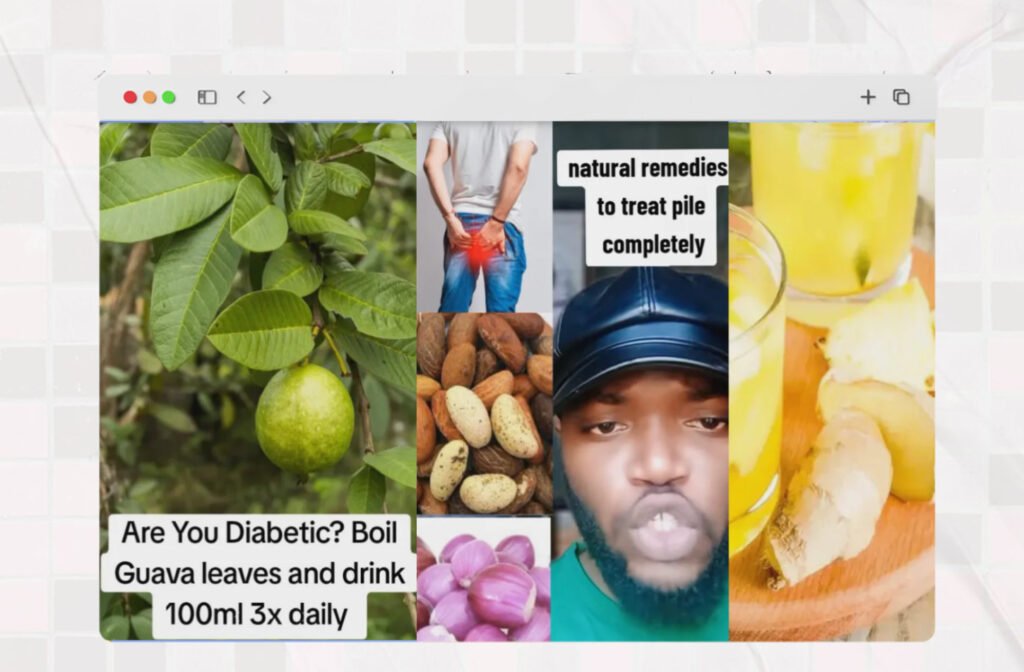
Across many communities, promoters of unverified remedies often promote bold claims of “cures” for chronic and incurable diseases. While such tactics may appear convincing, they often mask a lack of scientific evidence and regulatory approval. On January 14, 2025, a TikTok user claimed that drinking tea made from boiling a mixture of bitterkola with onions will lead to a complete healing from the pile.
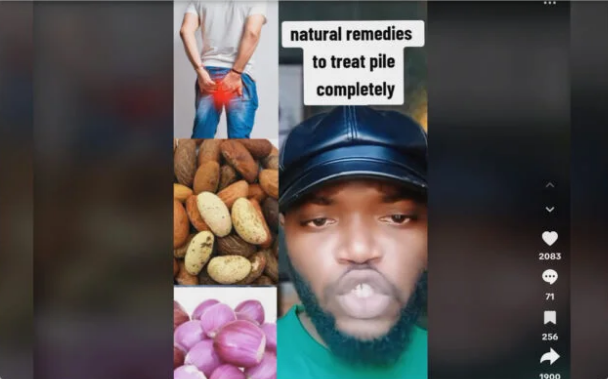
NV-A’s verification found the claim to be misleading, as it was not supported by scientific evidence. Besides, medical experts warn against drinking unregulated concoctions that could damage their vital organs. Another claim, this time from TikTok states that drinking boiled guava leaves cures diabetes, generating over 1 million views.
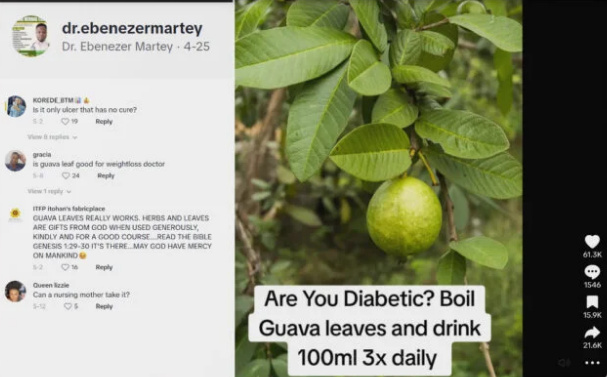
When NV-A verified this, the claim turned out to be medically unproven. Although there might be a short term reduction in blood sugar level, drinking boiled guava leaves does not cure diabetes as it does not have a cure for now and can only be managed medically.
Regulatory Gaps and Challenges
Across many African countries, including Nigeria, regulatory systems meant to protect consumers from unsafe or fraudulent health products are often overstretched, creating loopholes that unscrupulous actors exploit. One of the most persistent issues is weak enforcement by health authorities. Agencies such as National Agency for Food and Drug Administration and Control (NAFDAC) face shortages of trained personnel, limited funding, and inadequate infrastructure, all of which restrict their ability to inspect, monitor, and enforce compliance effectively.
Compounding this is the lack of clear and comprehensive regulation around herbal medicine. Unlike conventional pharmaceuticals, herbal products often contain multiple active compounds, making standardisation and quality control difficult. Many products remain unregistered or poorly labeled, with little oversight of therapeutic claims, exposing consumers to misleading information and unsafe formulations.
The rise of digital commerce has introduced another layer of complexity. Online sellers can operate across borders, making it difficult for regulators to track, verify, or shut down illegal vendors. Weak cross-border enforcement and poor collaboration among agencies further enable the circulation of counterfeit and unregulated products.
Experts Responses and Efforts to Combat the Problem
Public health advocates are tackling misinformation through awareness campaigns, highlighting how false claims spread rapidly, especially online, and how they can be identified. Commenting on the guava claim, Dr Filibus Otobo, with the Federal Medical Center, FMC, Yenagoa, Bayelsa explained that drinking boiled guava leaves may only have minor blood sugar-lowering effects, due to the chemical constituents in the leaves, but it does not cure diabetes.”
On the Bitterkola and Onion mixture,
Similarly, Dr Tanko Idris, with Wuse District Hospital, Abuja, who debunked the claim that bitter kola and onion mixture can cure piles, noted that it is “a minor swelling that can be treated by taking warm sitz-baths or undergoing a very minor surgery if severe”. He advised that people should not be scared of visiting the hospital for regular checks.
Governments, on their part, are stepping up crackdowns on illegal producers and distributors, alongside policy reforms to regulate alternative medicine and online pharmaceutical sales., Fact-checking organisations are actively debunking viral falsehoods. Meanwhile, digital platforms are introducing warning labels, removing harmful content, and strengthening moderation systems to limit the reach of misleading health information.
The Way Forward
Addressing the growing threat of health misinformation and fraudulent medical practices requires a multi-faceted and sustained approach. Strengthening regulation and enforcement must be at the forefront. Governments and health authorities need to close existing loopholes, enforce stricter penalties for offenders, and enhance monitoring systems, especially in the digital space where many of these false claims thrive.
At the same time, there is a need to promote evidence-based traditional medicine. Recognising and integrating legitimate traditional practices into the formal healthcare system can help preserve cultural heritage while ensuring safety and efficacy. This also helps to distinguish credible practitioners from fraudsters who exploit public trust.
Improving access to affordable healthcare is another critical step. When people have access to reliable and cost-effective medical services, they are less likely to turn to unverified alternatives. Expanding health insurance coverage and strengthening primary healthcare systems can play a vital role in this regard.
Finally, encouraging digital literacy and critical thinking is essential in today’s information age. Public education campaigns should equip individuals with the skills to question suspicious claims, verify sources, and make informed health decisions.