
From Rumours to Reality: How Misinformation Fuels Panic During National Crises
In today’s fast-paced information age, misinformation has become a powerful force capable of shaping public perception and behaviour, especially during times of crisis. Misinformation is false or misleading information that people spread regardless of intent. While people may sometimes share it unknowingly, its consequences can be far-reaching and dangerous.
National crisis, whether economic instability, political unrest, health emergencies, or security threats, often create an atmosphere of uncertainty and fear. In such situations, people actively seek information to make sense of unfolding events. However, when a gap opens between what is happening and what is officially communicated, rumours quickly fill the void. These rumours, once circulated, can evolve into widely accepted facts.
Channels of Spread: Social Media and Informal Networks
Social media platforms such as WhatsApp, Facebook, and X have become primary sources of information for millions. While these platforms offer speed and accessibility, they also lack strict verification mechanisms, making them fertile ground for false information.
One of the key drivers of misinformation is viral sharing. A message forwarded multiple times on WhatsApp or reposted widely on X can quickly gain credibility simply because of its reach. Many users share information without verifying its authenticity, often driven by urgency or emotional reactions.
Beyond digital platforms, informal networks also play a crucial role. Word-of-mouth communication within families, communities, and social groups can amplify misinformation. People tend to trust information more when it comes from familiar sources, even when such information is inaccurate. This combination of digital virality and personal trust allows misinformation to spread rapidly and deeply.
Psychological Impact: Fear, Panic, and Public Behavior
During crisis, false information can trigger anxiety, fear, and mass panic. When individuals believe that a situation is worse than it actually is, their responses can become extreme and, at times, irrational.
For instance, misinformation has led to panic buying, where people rush to stockpile essential goods due to fear of scarcity. In other cases, false reports of violence or government actions have sparked protests, unrest, or sudden population movements, further destabilising already tense situations.
Emotion plays a powerful role in how misinformation spreads. Fear-driven content travels faster because it provokes strong reactions. In crisis situations, people are more likely to respond emotionally rather than logically, making them more vulnerable to believing and sharing unverified claims.
Case Studies across Africa
Across Africa, several national crises highlight how misinformation can escalate fear and disrupt stability:
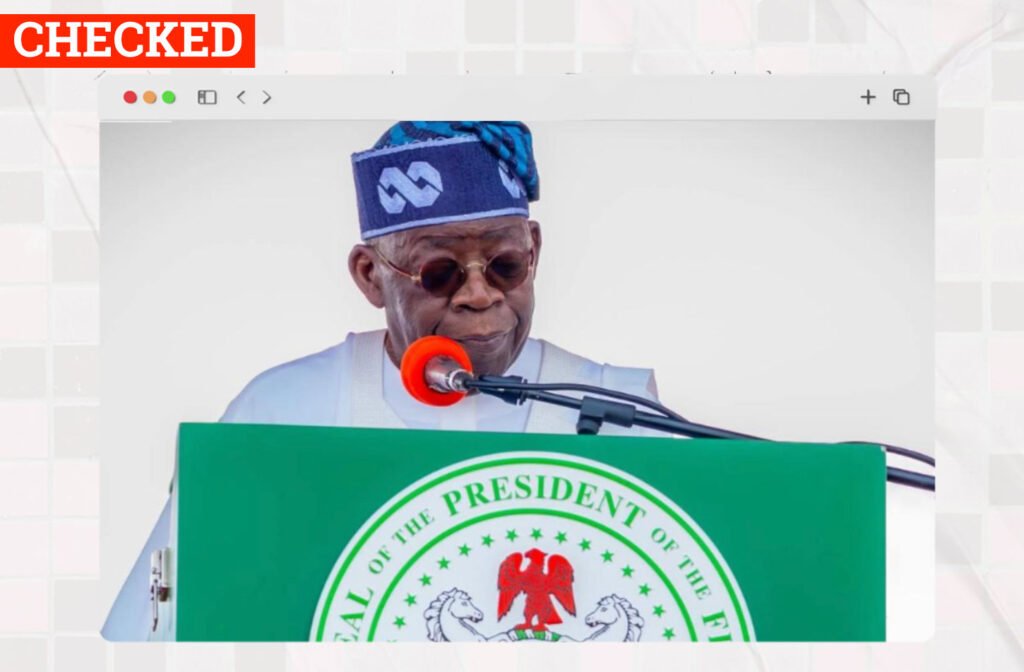
During Nigeria’s 2026 fuel scarcity crisis, false claims circulated widely on social media suggesting an imminent and total fuel shortage, alongside exaggerated price projections. These rumours triggered panic buying and long queues at filling stations, worsening an already strained supply situation.
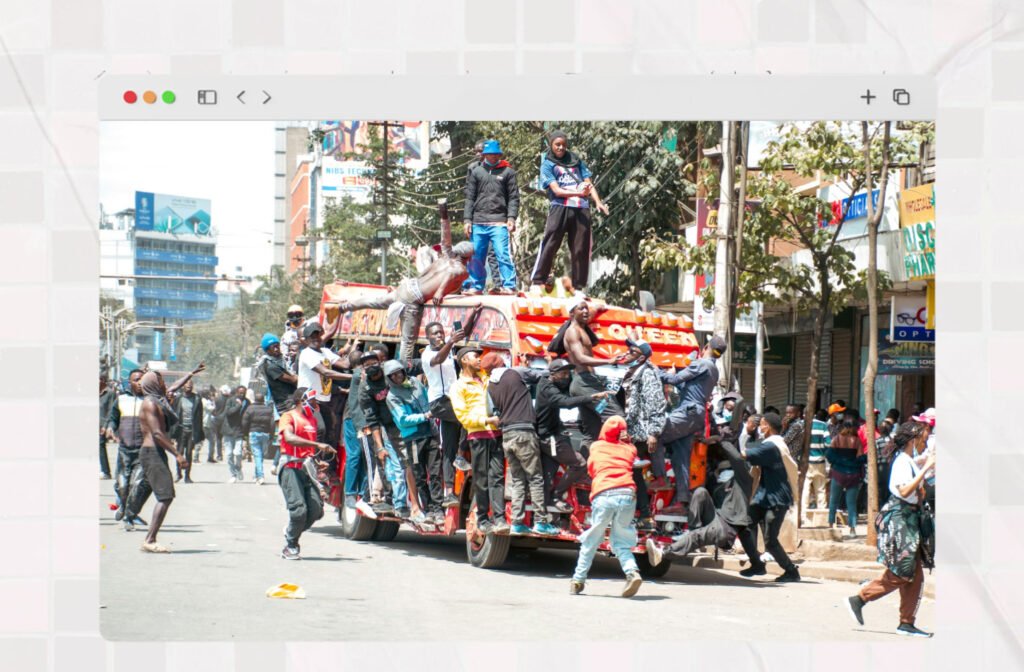
In Kenya, the 2024 anti-government protests linked to reforms under William Ruto were intensified by misinformation. Fake images and misleading reports of mass violence and military crackdowns spread online, heightening fear and contributing to the escalation of unrest.
Misinformation has also shaped the ongoing conflict in Sudan. False updates about territorial control, ceasefires, and humanitarian access have misled civilians, sometimes causing unnecessary displacement as communities fled based on unverified threats.
In Cameroon, exaggerated and sometimes fabricated reports of attacks have accompanied the Anglophone crisis. These narratives have fueled panic, deepened mistrust, and complicated efforts to restore peace.
Similarly, in South Africa, misinformation during the 2019 xenophobic violence played a significant role in escalating tensions. The false claims about foreign nationals contributed to public anger and led to attacks on migrants and destruction of migrant businesses.
Combating Misinformation During Crises
Addressing misinformation requires a coordinated and sustained effort. One of the most effective strategies is timely and transparent communication by authorities. When governments and institutions provide accurate and consistent updates, they reduce the information gaps that rumours exploit.
Fact-checkers, journalists, and media organisations also play a vital role. By verifying claims and debunking false narratives, they help maintain the integrity of public discourse. In times of crisis, responsible journalism becomes essential in guiding public understanding.
Equally important is the need for digital literacy. Citizens must learn to critically evaluate information before sharing it. Verifying sources, cross-checking with credible news outlets, and questioning sensational claims are simple but powerful steps in curbing misinformation.
Conclusion
The experiences across Nigeria, Kenya, Sudan, Cameroon, and South Africa highlight a recurring reality: misinformation thrives where there is uncertainty, spreads fastest where there is fear, and causes the most harm where trust is already fragile. These cases show that misinformation during national crises is a societal threat with far-reaching and often dangerous consequences. It has the power to amplify fear, distort reality, disrupt public order, and weaken trust in institutions that are meant to provide stability and guidance. In many cases, false information can cause damage that rivals or even exceeds the crisis itself.
Ultimately, addressing misinformation during crises demands a collective effort, one that brings together government institutions, the media, technology platforms, and the public. Only through shared responsibility can societies prevent rumours from escalating into widespread panic and ensure that truth, not fear, shapes public response in times of uncertainty.