
Disinformation’s Growing Role During Elections
Democracy relies on the ability of citizens to make informed choices. Elections, in particular, are meant to reflect the will of the people based on facts, policies, and credible debate. However, the rise of digital communication introduced a powerful disruptor into this process, information disorders. During election cycles, false or misleading information repeatedly circulates, shapes narratives, influences voter behaviour, and in some cases, threatens the credibility of entire electoral systems.
From West Africa to East and Southern Africa, recent elections have shown that disinformation is no longer a peripheral issue. It has become central to political competition, often determining how candidates are perceived and how voters engage with the democratic process.
Elections And Information Warfare
Disinformation thrives during elections for several reasons. First, there is heightened political tension, which makes people more emotionally invested in the information they consume. Second, many voters rely heavily on informal digital networks for news, where editorial oversight is minimal or nonexistent.
A notable example comes from Kenya’s 2022 elections, where false claims about vote rigging and manipulated tallying systems circulated widely before and after the official results were announced. These narratives contributed to public distrust, even though electoral observers found no evidence to support many of the viral claims.
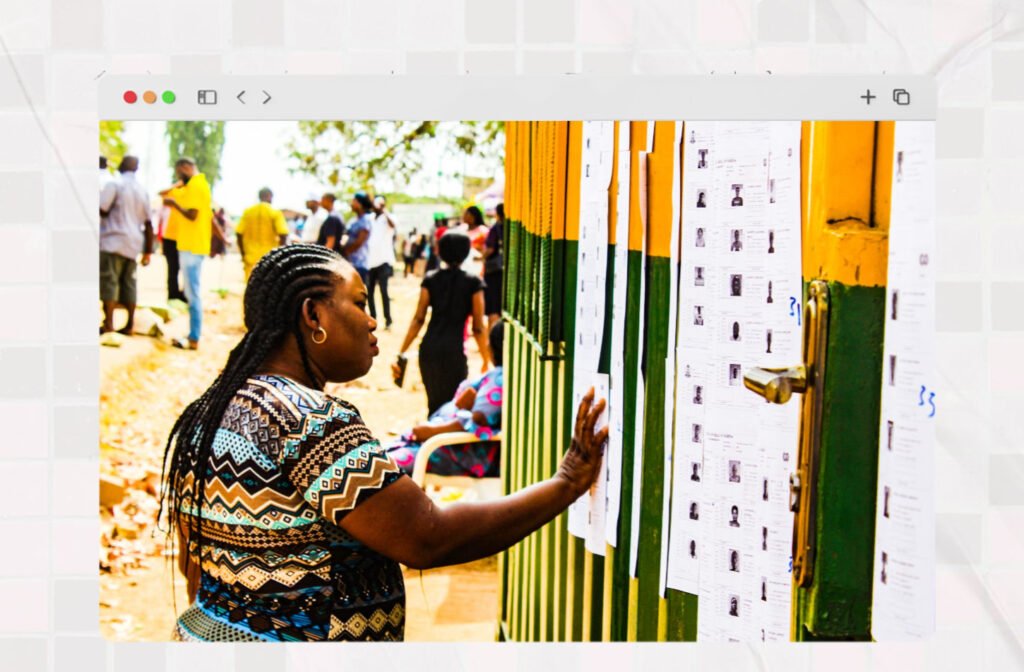
During Nigeria’s 2023 general elections, false claims circulated online about the Independent National Electoral Commission (INEC), including allegations that election results were being secretly altered through digital systems. While these claims were widely debunked by fact-checking organisations, they still generated widespread suspicion and confusion among voters.
Digital Platforms As Political Battlegrounds
Social media platforms have become the primary battlegrounds for electoral influence. Applications like Facebook, WhatsApp, and TikTok play a central role in several recurring tactics used to spread disinformation. During Ghana’s 2020 elections, WhatsApp groups were flooded with false messages claiming that ballot papers had been pre-thumbprinted in favour of a particular party. Despite official denials and fact-checks, these messages spread quickly due to the trust people place in information shared within personal networks.
Similarly, in Uganda’s 2021 elections, Facebook was used to extensively circulate misleading content about opposition candidates and electoral procedures. At one point, tensions between the government and the platform led to a temporary shutdown of social media services, highlighting the perceived power of these platforms in shaping political outcomes.
Bots and coordinated networks also play a significant role. During elections in countries like Ethiopia, automated accounts were used to amplify divisive narratives and spread propaganda. These accounts were traced and brought down. However, it created the illusion of widespread support for certain viewpoints, influencing how real users perceived public opinion.
Impact On Public Opinion And Voter Behaviour
The impact is profound as false information shapes how voters perceive candidates, often influencing their decisions at the polls. In Nigeria, misleading information about candidates’ health, religion, and personal backgrounds played a significant role in shaping public discourse during the 2023 elections.
Perhaps the most damaging effect is the erosion of trust. In Kenya, repeated misinformation about electoral fraud contributed to a climate of suspicion that persisted even after official results were confirmed. Similarly, in Zimbabwe, false claims about voter suppression and ballot manipulation have historically undermined confidence in elections.
In extreme cases, disinformation can incite unrest. In Ethiopia, online misinformation has been linked to ethnic tensions and violence, demonstrating how digital narratives can have real-world consequences.
Strengthening The Information Space
Addressing disinformation during elections requires a multi-layered approach. One of the most important steps is promoting media literacy. Citizens must be equipped with the skills to critically evaluate information, identify credible sources, and recognise misleading content. Educational institutions, civil society organisations, and governments all have a role to play in this effort.
Fact-checking organisations such as NewsVerifier Africa, Factcheck Hub, and Dubawa have been instrumental in combating misinformation across the continent. Supporting and expanding these initiatives is essential to ensuring that accurate information is readily available.
Ultimately, safeguarding democracy requires a collective commitment to truth. Citizens, media organisations, governments, and technology platforms must work together to ensure that elections are guided by accurate information rather than manipulation. In doing so, they can protect not only the integrity of electoral processes but also the future of democracy across the African continent.