
Digital Expression Empowers Youth Yet Drives Misinformation
Across Africa, a quiet revolution powered by connectivity has been unfolding.Over the past decade, increasing internet access and rapid smartphone penetration have transformed how young people communicate, learn, and engage with the world. As affordable mobile devices and expanding data networks place digital tools directly in the hands of millions of young Africans, they have become consumers of information and active participants in shaping narratives.
Young Africans are increasingly using technology platforms to influence global conversations. Social media platforms, blogs, podcasts, and video-sharing apps are now modern arenas where African youth express opinions, share experiences, and mobilise around social issues. They demonstrate that the power of youth voices can be reflected through hashtag movements, online campaigns, and digital storytelling in driving awareness and, in some cases, real-world change.
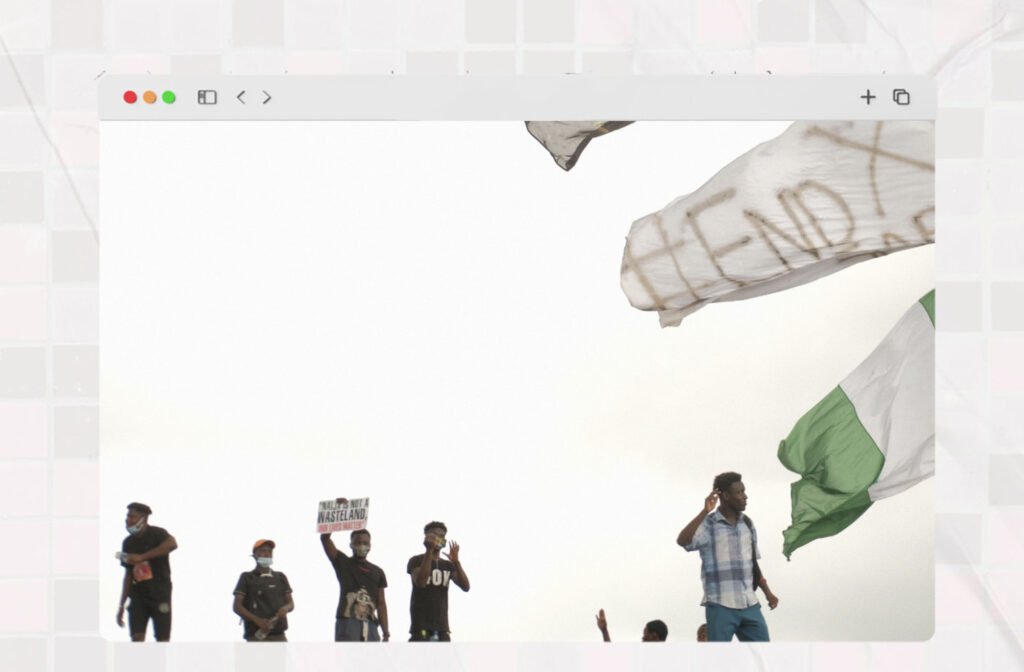
In Nigeria, the #EndSARS movement in 2020 demonstrated how young people used Twitter, Instagram, and WhatsApp to mobilise protests against police brutality, raise funds, and document events in real time. In Kenya, young citizens also used digital platforms during the 2024 tax protests to organise demonstrations, share updates, and challenge government policies. In Sri Lanka, mass protests in 2022, heavily amplified through social media, led to the resignation and eventual flight of President Gotabaya Rajapaksa. In Senegal, the 2024 election that brought Bassirou Diomaye Faye to power was significantly influenced by a digitally mobilised youth population demanding political change, transparency, and economic reform.
Beyond protests, African youth are also leveraging digital expression for entrepreneurship, influencing industries such as entertainment, fashion, and tech, while projecting African narratives to a global audience. Content creation has evolved into a viable career path, with young individuals leveraging their creativity to build personal brands, generate income, and reach global audiences.
What has evolved is a society where young people are now more informed and willing to participate in discussions about governance, economy, policy, and social justice. Online platforms provide spaces for debate, advocacy, and community building, allowing them to hold leaders accountable and demand transparency.
Despite these benefits, the rapid growth of digital expression has also brought significant challenges, particularly in the spread of misinformation and disinformation. In Sri Lanka, false claims about government actions and economic conditions circulated online during protests, intensifying public anger. During Nigeria’s End SARS protests, conflicting claims, edited videos, and false narratives circulated widely, creating confusion and deepening divisions about what was happening on the ground.
For young people, the impact is particularly significant. As active participants in the digital space, they are both consumers and disseminators of information. Exposure to misleading content can affect their decision-making, shaping their beliefs and actions in ways that may not align with reality. Furthermore, the pressure to maintain an online presence and keep up with trends can contribute to mental health challenges, including anxiety, stress, and information fatigue.
The rise of digital expression in Africa represents a powerful force for youth growth, innovation, and participation. However, its benefits cannot be fully realised without addressing the challenges posed by misinformation and disinformation. Striking a balance between digital freedom and responsibility is essential.
Promoting digital literacy is a critical first step. Young people must be equipped with the skills to verify information, identify credible sources, and think critically about the content they consume and share. Fact-checking initiatives, educational programs, and awareness campaigns can play a vital role in building a more informed digital population.
Ultimately, Africa’s digital future depends on how effectively its youth can harness the power of digital expression while navigating its risks. With the right tools, awareness, and collective responsibility, the continent’s young population can continue to drive growth, shape narratives, and build a more connected society.